TEMPERATURE PROBLEMS
Conservatory too hot in summer, too cold in winter
If you dread opening the conservatory door in July and avoid the room entirely between November and March, you are not alone. It is one of the most common complaints homeowners have about their conservatories — and one of the most frustrating, because the room was supposed to add usable space to your home.
This page explains why the problem happens, what the realistic options are for fixing it, and where a conservatory roof replacement fits in.
Why your conservatory is unbearable in summer
The short answer is the greenhouse effect. Glass and polycarbonate let sunlight through but trap the heat inside. On a warm day, the temperature in a conservatory can climb well beyond what is comfortable — sometimes ten or fifteen degrees above the outside temperature.
A few things make it worse:
- South or west-facing orientation. These conservatories catch the strongest afternoon sun and heat up the most.
- Polycarbonate roofing. It lets in a lot of solar energy while providing almost no insulation. The room heats up fast and stays hot.
- No natural ventilation. Many conservatories have limited opening windows or vents, so there is no easy way for hot air to escape.
- Large roof area. The roof is the biggest surface exposed to the sun. If it offers no resistance to solar gain, the room cannot stay cool.
Why it freezes in winter
The same roof that traps heat in summer does the opposite at night and in cold weather. Glass and polycarbonate are poor insulators — they radiate heat out rapidly. On a cold evening, the conservatory loses warmth faster than your heating system can replace it.
- Single-skin roof. A single layer of glass or polycarbonate has very little thermal resistance. Heat passes straight through it.
- No thermal mass. Unlike a brick extension, a conservatory has nothing to store warmth. The moment you turn the heating off, the temperature drops.
- Cold bridging. Older aluminium frames conduct cold directly into the room, making the edges feel draughty even when the windows are shut.
The result is a room you can only use comfortably for a few months of the year — which is a poor return on what was a significant investment.
And then there is the noise
Temperature is not the only problem. Rain on a polycarbonate roof can be genuinely loud — loud enough to make conversation difficult, and certainly loud enough to stop you using the room as a quiet sitting area or home office. Even glass roofs transmit more rain noise than a solid roof.
When you combine the temperature swings with the noise, you end up with a room that is impractical for much of the year. It is no surprise that so many homeowners start looking for solutions.
What you can do about it
There is no single magic fix that works for everyone. The right approach depends on your budget, how much improvement you need, and what your conservatory is like now. Here are the main options, roughly in order from cheapest to most effective.
Blinds and reflective films
Roof blinds can reduce glare and take the edge off the heat. Reflective window films reject some solar energy before it enters the room. Both are relatively affordable and can be fitted without any structural work.
The downside is that they only do so much. Blinds help with direct sunlight but do not insulate the roof. Films reduce solar gain but cannot stop heat escaping on a cold night. Neither solves the noise problem. They are worth considering as a first step, but they will not transform the room.
Improved ventilation
Adding roof vents or upgrading to opening windows helps in summer by letting hot air escape. Mechanical ventilation can make a noticeable difference on warm days.
Ventilation does nothing for the winter cold problem, though, and it will not help with noise. It addresses one symptom, not the cause.
Secondary glazing on windows
If your conservatory has older single-glazed windows, adding secondary glazing or upgrading to double glazing improves insulation on the walls. This helps with winter warmth and can reduce draughts.
However, most of the heat loss in a conservatory is through the roof, not the windows. Improving the glazing is worthwhile, but it will not solve the problem on its own if the roof is still glass or polycarbonate.
Replacing the roof with an insulated tiled roof
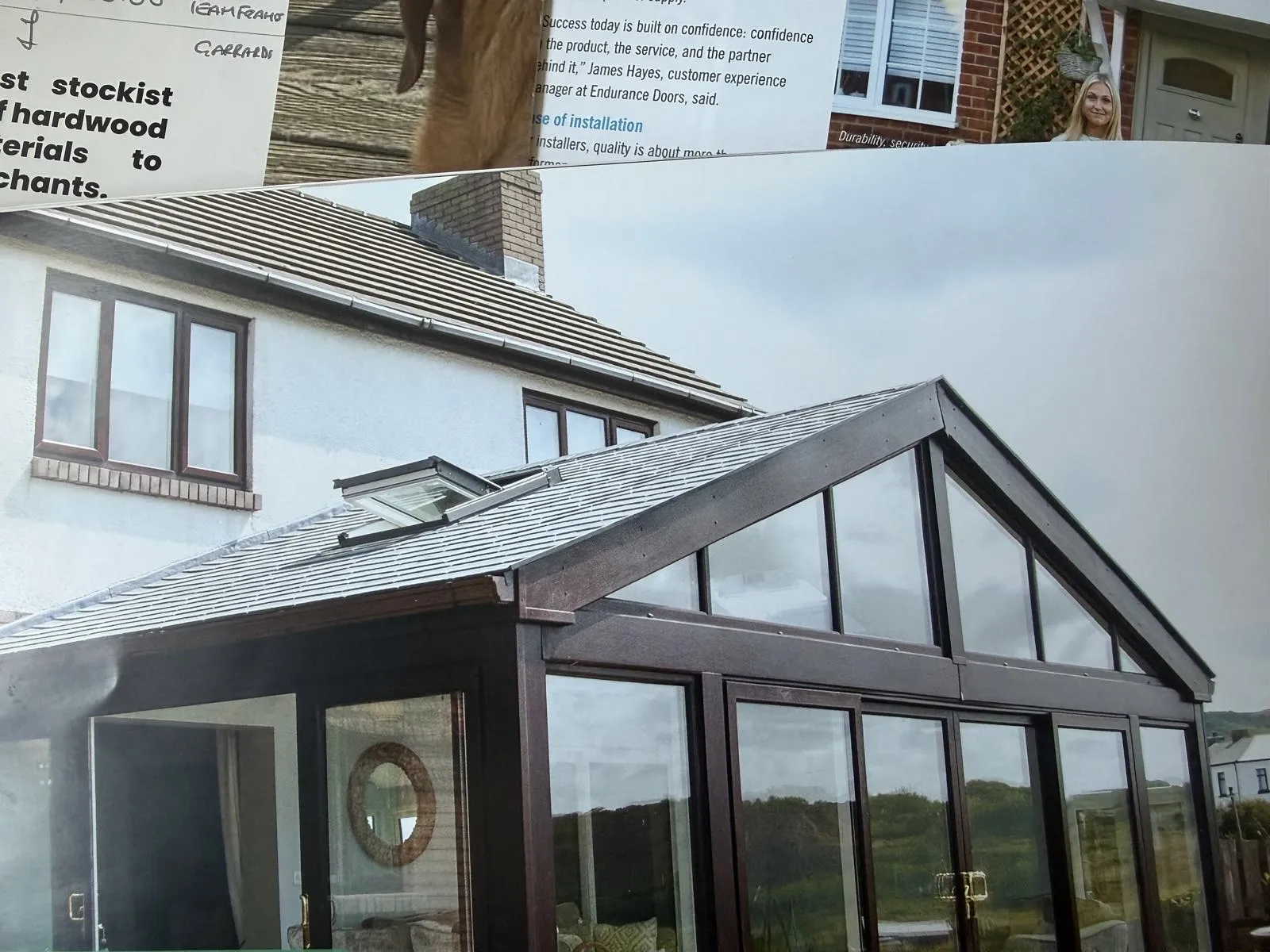
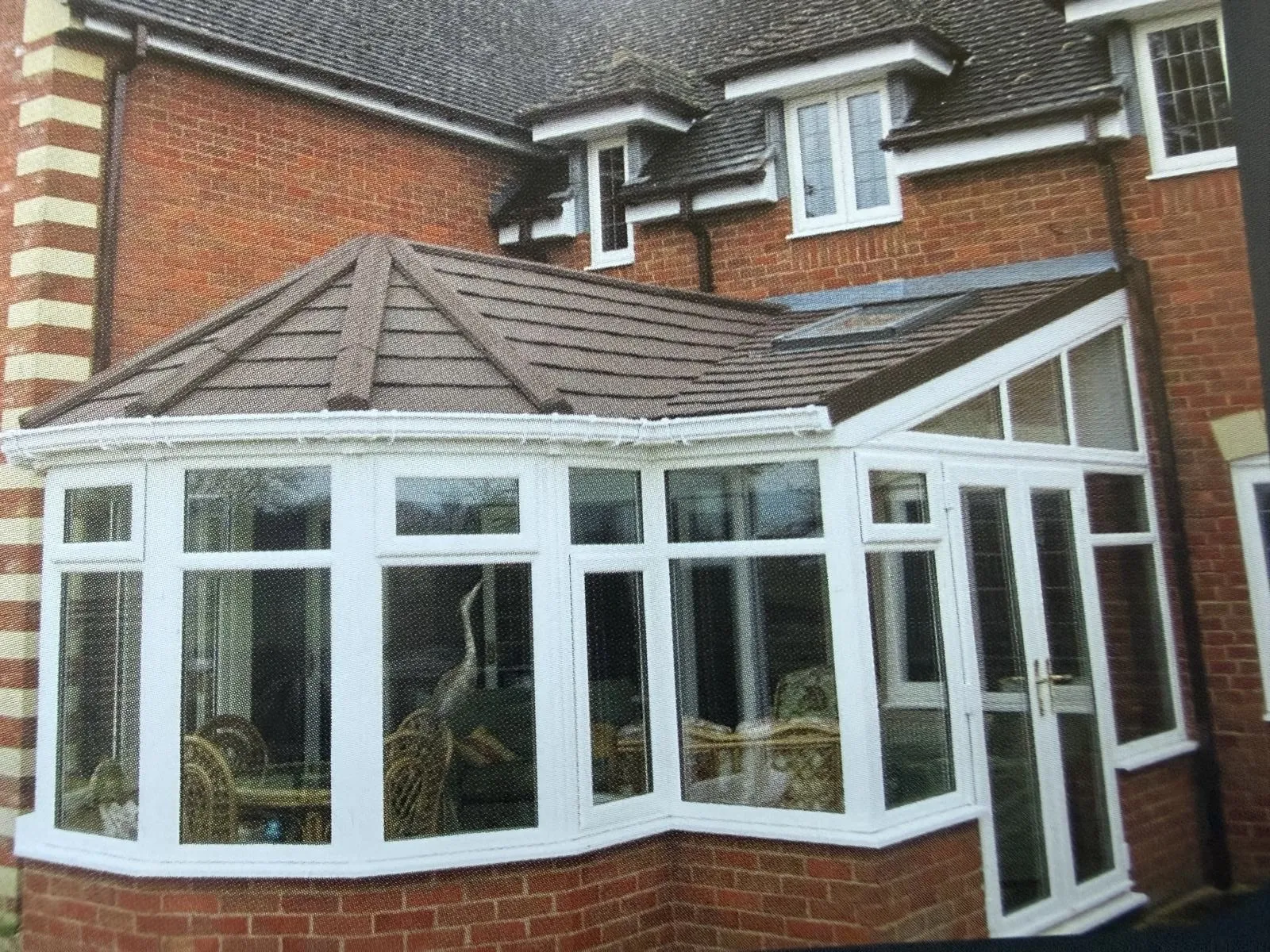
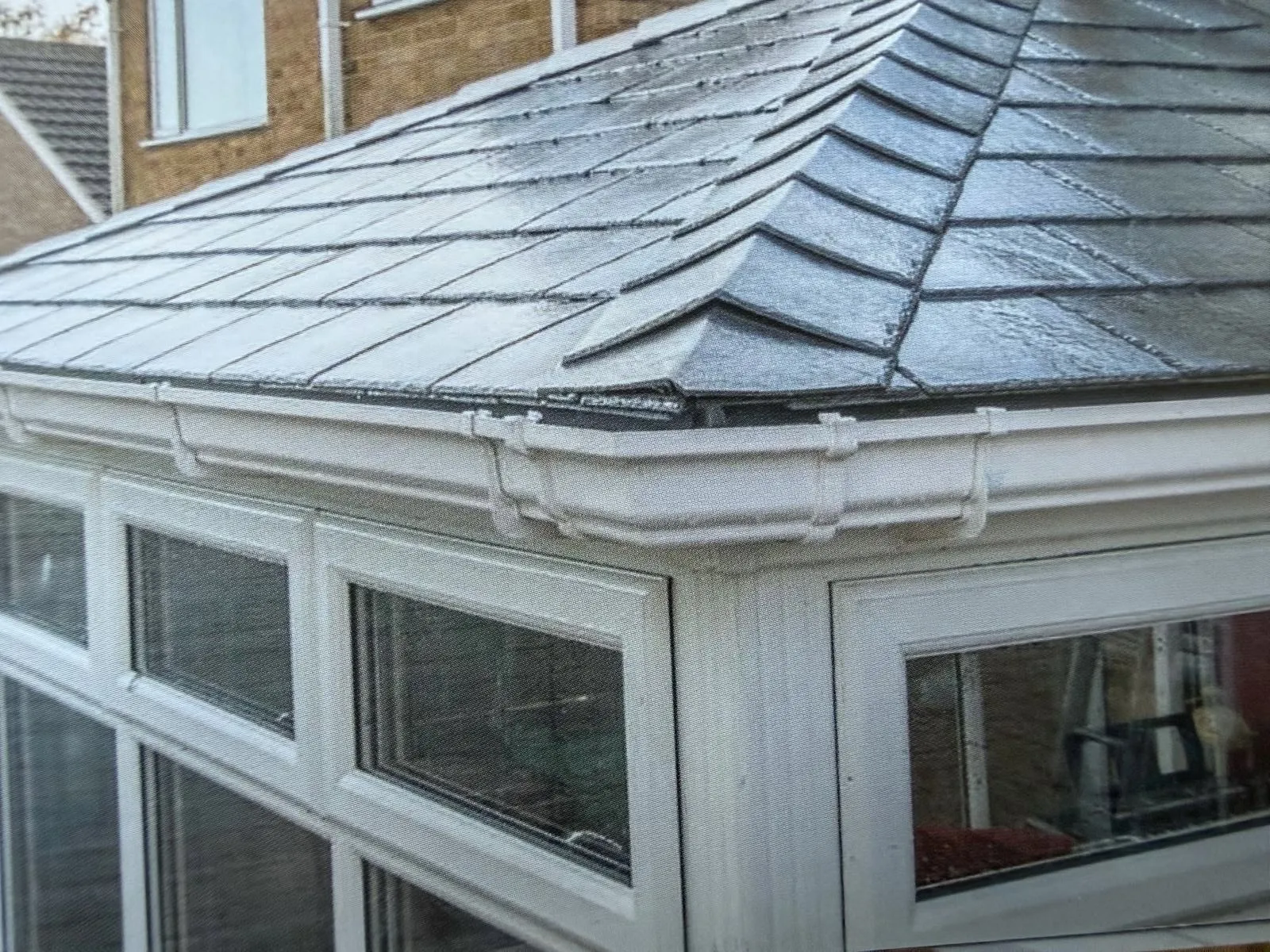
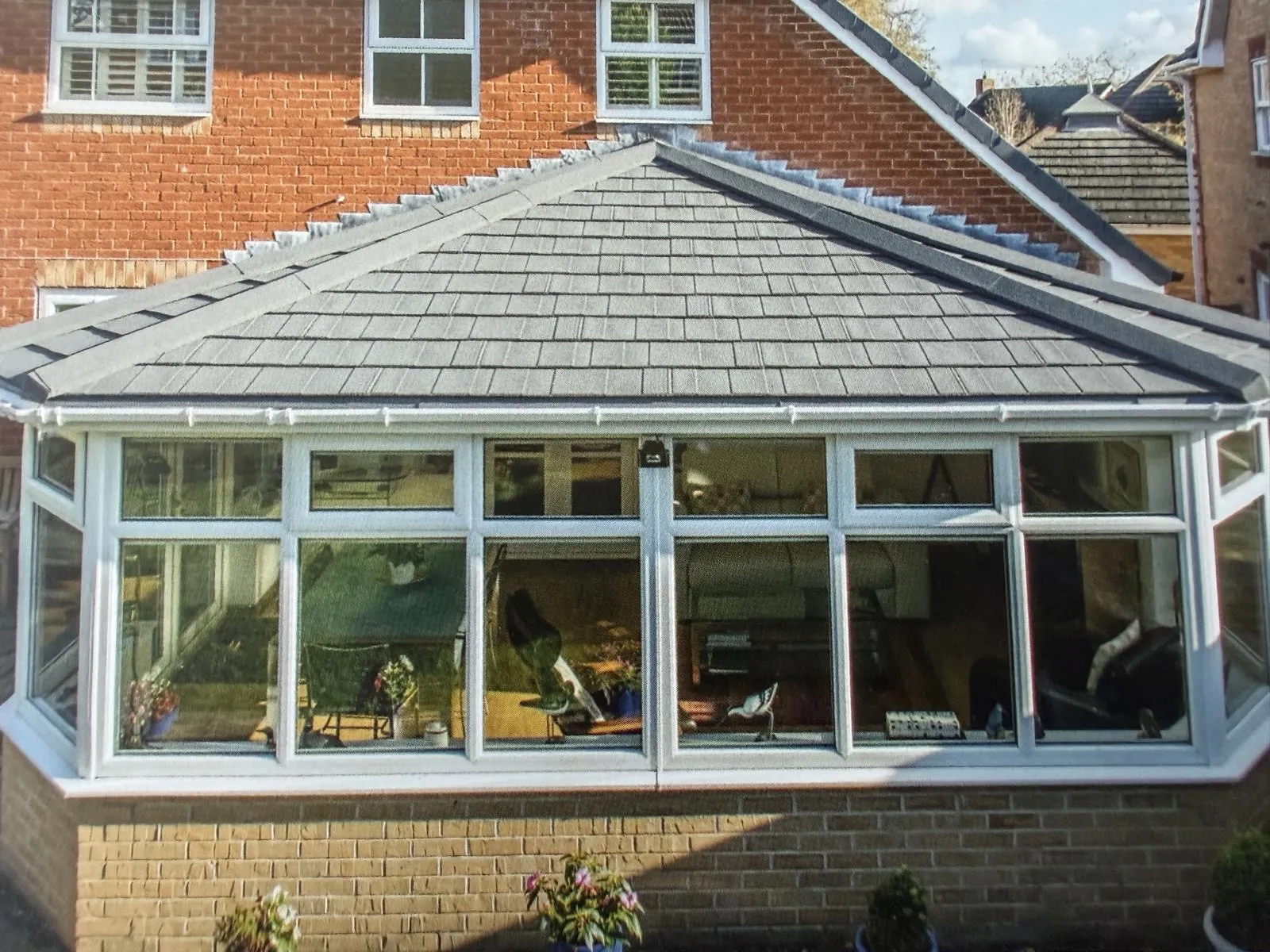
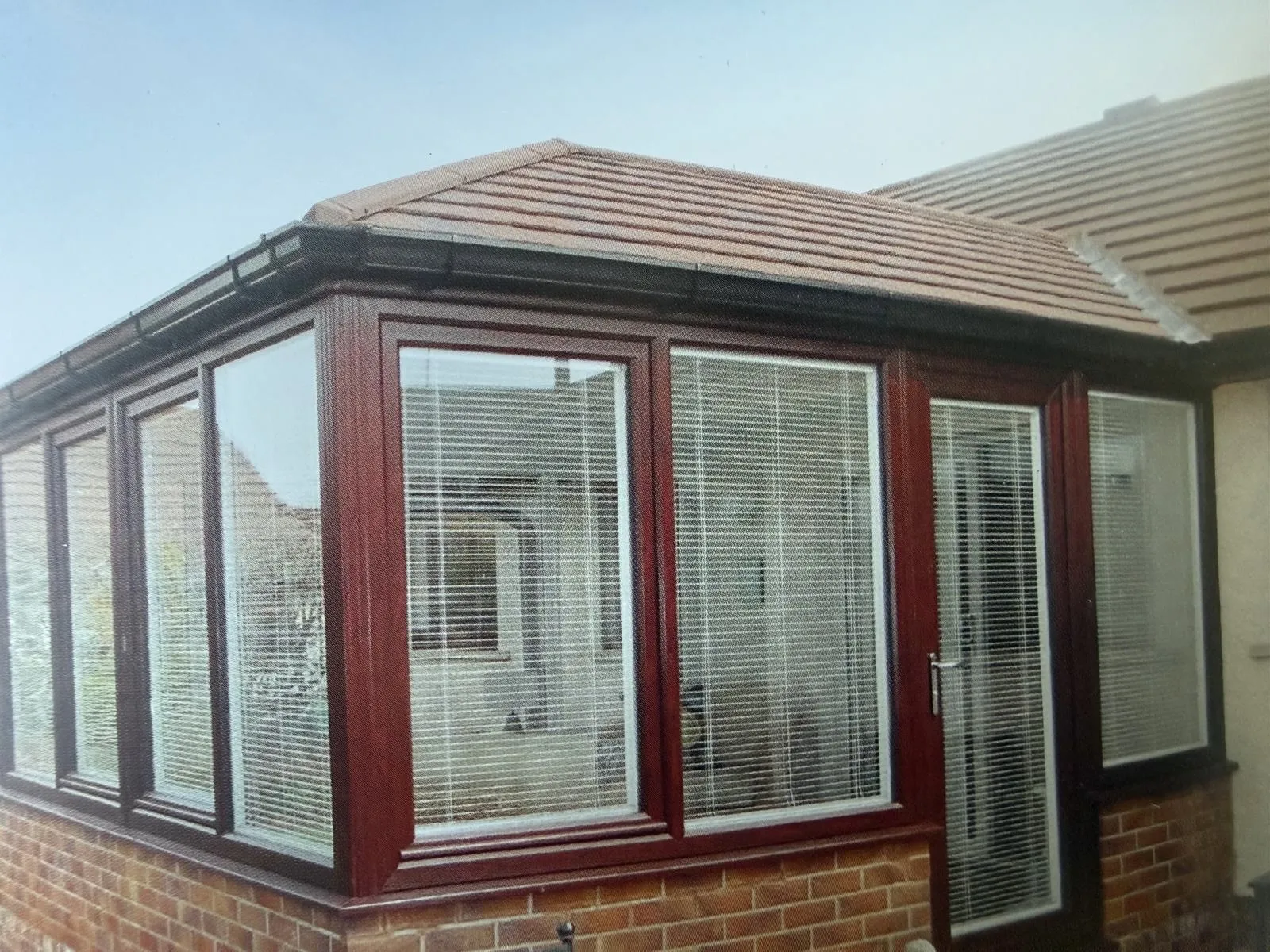
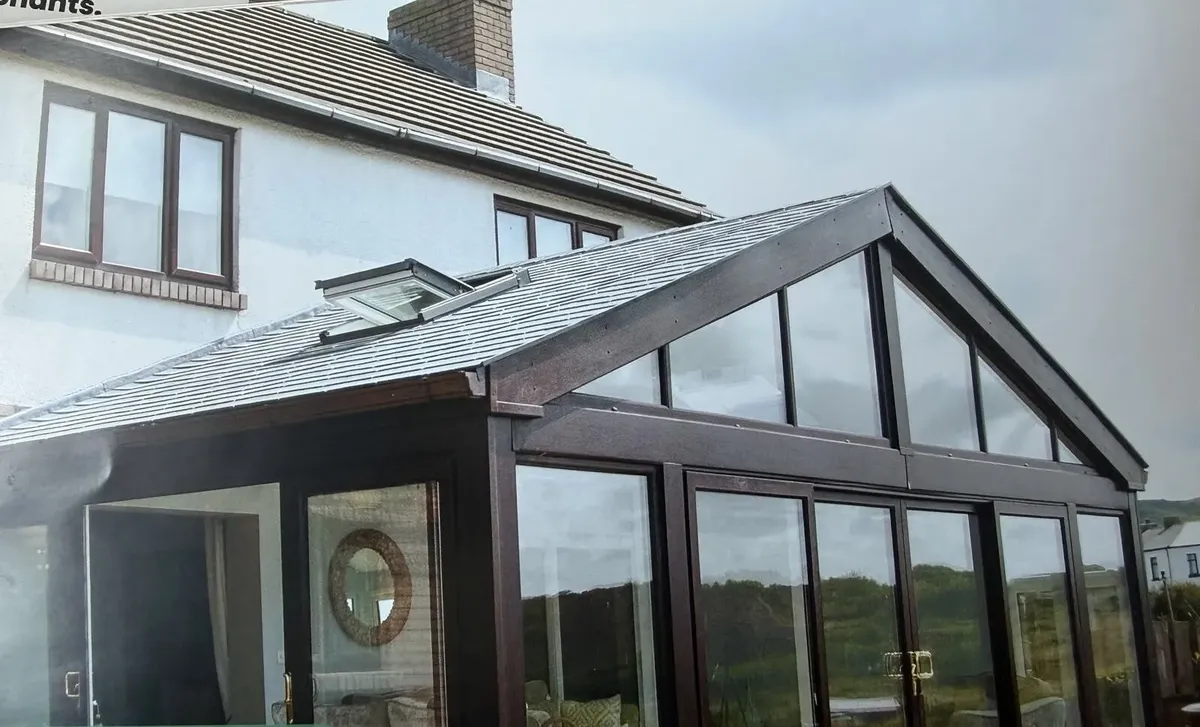
This is the most comprehensive solution. A lightweight insulated tiled roof replaces the glass or polycarbonate entirely with a solid, insulated structure. The difference is substantial — the room behaves much more like a normal extension.
- Summer heat. A solid roof blocks direct solar gain. The room no longer acts as a greenhouse.
- Winter cold. The insulated panels retain heat far better than glass or polycarbonate. Your heating actually works.
- Rain noise. Gone. A tiled roof is as quiet as any other room in the house.
- Year-round use. The room becomes practical in every season, not just spring and autumn.
We should be honest: a roof replacement is not cheap. It is a significant investment. But it addresses the root cause rather than treating symptoms, and for many homeowners the cost is justified by finally being able to use the room all year round. You can read more about whether a conservatory roof replacement is worth it.
It depends on your conservatory
No two conservatories are the same, and several factors affect how much improvement you can expect from any solution:
- Orientation. A south-facing conservatory with a glass roof will see the biggest improvement from a roof replacement. A north-facing room may benefit more from better heating and insulation.
- Existing glazing. If your windows are already good quality double glazing, the roof is almost certainly the weak point. If the windows are old single-glazed units, upgrading them alongside the roof makes sense.
- Heating. A new roof makes your heating far more effective, but you still need adequate heating in the room. A single radiator may not be enough for a large conservatory, even with a well-insulated roof.
- Size and shape. Larger conservatories lose more heat and gain more solar energy. The roof area relative to floor area matters — a tall Victorian-style conservatory has proportionally more roof surface.
We would never promise specific temperature reductions because there are too many variables. What we can say is that replacing a glass or polycarbonate roof with an insulated tiled roof consistently makes the biggest single difference to comfort.
Comparing your options
If you are weighing up the different roof types — glass, polycarbonate, and tiled — we have written a detailed comparison: tiled vs glass vs polycarbonate conservatory roofs. It covers insulation values, costs, and the practical differences you will notice day to day.
If condensation is another issue you are dealing with, that is closely related to the temperature and insulation problems covered here. An insulated roof helps with condensation too, because it keeps internal surfaces warmer and reduces the conditions that cause moisture to form.
How we can help
S.R.S Windows Ltd is a CERTASS Certified Installer (registration 12-1432) based in Rainham, Kent. We specialise in conservatory roof replacements across Kent and Medway — removing old glass and polycarbonate roofs and fitting lightweight insulated tiled roofs.
If you are fed up with a conservatory that is only comfortable for a few weeks of the year, we would be happy to take a look and give you an honest assessment of what would make the biggest difference. No pressure, no hard sell — just straightforward advice from people who do this work every day.
Free survey and quotation
If you would like to find out what a new roof could do for your conservatory, we offer a free, no-obligation survey. We will visit your home, assess your conservatory, and provide an honest quotation — no pressure and no hard sell.
Call us on 07889 631 319 or use the form below to get in touch.
YOUR FREE, NO-OBLIGATION QUOTE
Ready to use your conservatory all year round?
Complete the form to send your enquiry securely to S.R.S Windows Ltd.