HONEST ADVICE
Is a conservatory roof replacement worth it?
This is the question we hear most often, and the honest answer is: it depends on your conservatory, your expectations and how much you use the room now. Below is a straightforward assessment of what a tiled roof replacement changes, what it does not change, and when other options might suit you better.
What a tiled roof replacement actually changes
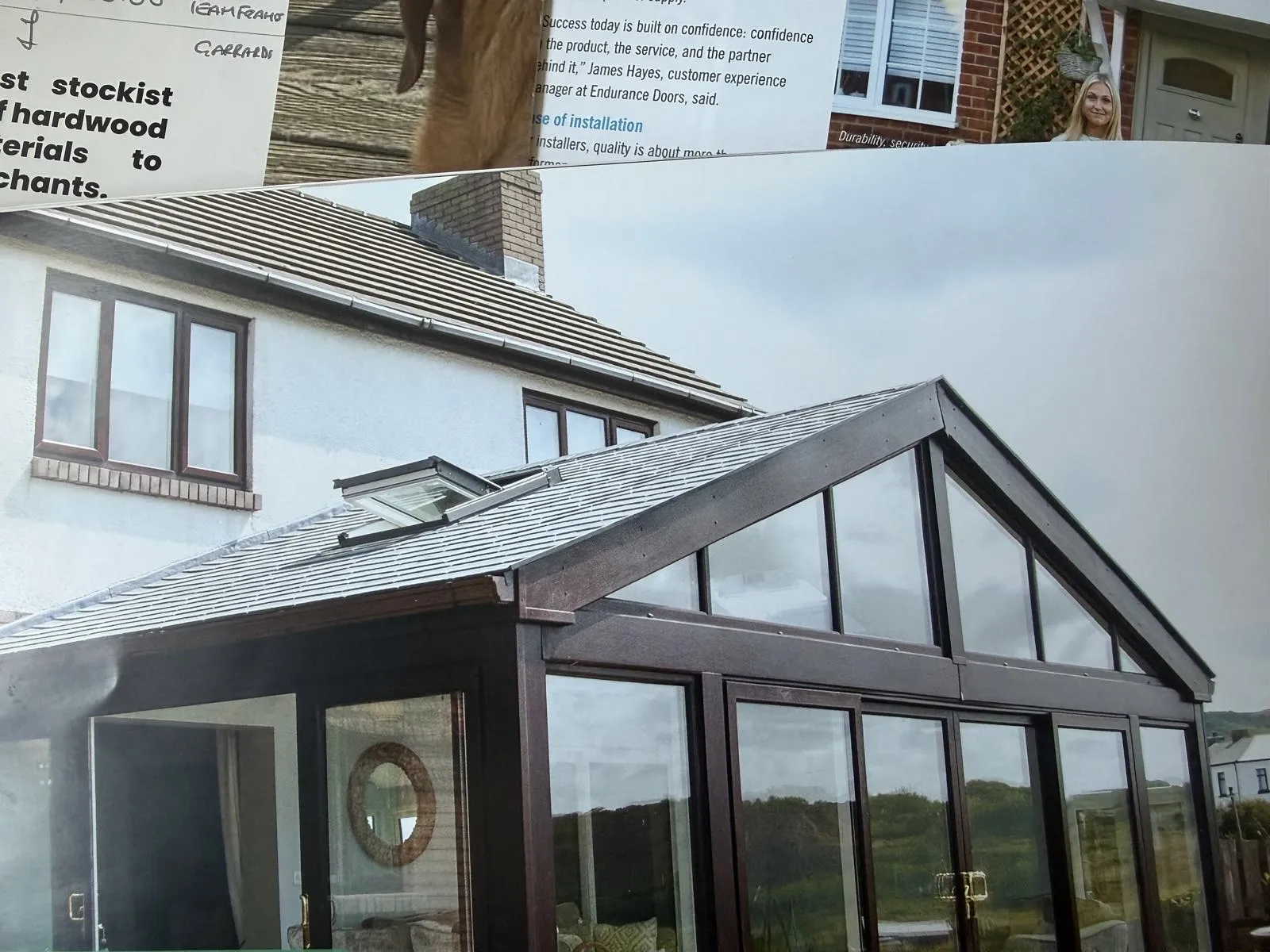
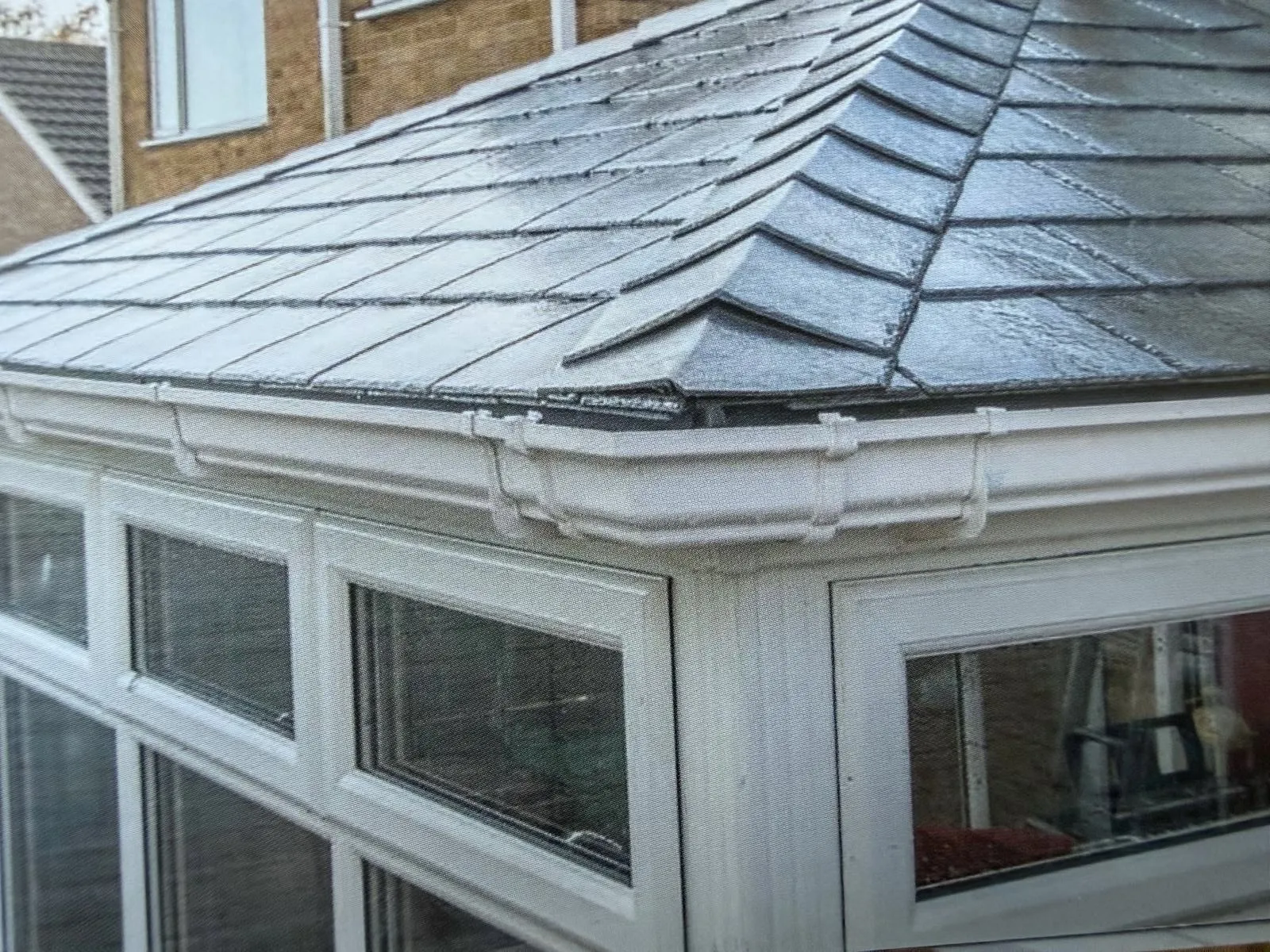
A lightweight insulated tiled roof replaces a glass or polycarbonate panel with a solid, insulated structure finished with tiles externally and a plastered ceiling internally. The practical effects are:
- Temperature regulation. The insulation reduces heat gain in summer and heat loss in winter. The room will not swing between extremes the way a glazed roof allows. It will not perform identically to a fully insulated brick extension, but the difference from a polycarbonate roof is significant.
- Rain noise. A polycarbonate roof amplifies rain to the point where conversation becomes difficult. A tiled, insulated roof reduces this dramatically. It sounds like any other room in the house.
- Appearance. Internally you get a plastered ceiling instead of glazing bars and discoloured panels. Externally the conservatory looks more like a permanent part of the house. This matters if you are conscious of the conservatory looking dated or out of place.
- Usable space. The combination of the above means the room is comfortable for more of the year. Many homeowners tell us they effectively gain a room they had stopped using.
What it does not change
A roof replacement is not a magic solution and we would rather be upfront about the limitations than have you disappointed after the work is done.
- The walls and windows stay the same. If the existing window frames are single-glazed or poorly sealed, a new roof improves the room but does not fix the weakest link. We will point this out at survey if it applies to your conservatory.
- It does not add floor space. The footprint of the room stays exactly as it is. If the conservatory is too small for what you need, a roof replacement does not solve that.
- Condensation may not disappear entirely. A better-insulated roof reduces condensation caused by cold surfaces, but moisture problems can also come from ventilation, heating patterns and how the room is used. We discuss this honestly in our guide to conservatory condensation.
- It is not free heating. The room will still need heating in winter. It will retain heat better than before, but it is not a replacement for a properly heated room.
When a roof replacement makes good sense
In our experience, a tiled roof replacement delivers the best return when most of the following apply:
- The existing conservatory base, walls and frames are in reasonable condition and do not need replacing.
- You want to use the room more but find the temperature swings or rain noise make it impractical.
- A full extension would cost substantially more and require more disruptive work than the situation justifies.
- The conservatory is a reasonable size — large enough to be a useful room once comfortable.
- You plan to stay in the property long enough to benefit from the improvement, or you believe it will help a future sale.
When it may not be the right answer
We would rather tell you this now than take your money for work that will not satisfy you.
- The existing structure is in poor condition. If the base is cracked, the walls are damp or the frames are rotten, a new roof does not fix the underlying problems. The whole structure may need attention first, or demolition and rebuilding may be more appropriate.
- You want a fully insulated extension. A conservatory with a tiled roof performs better than one with a glass roof, but it does not match a purpose-built brick extension with cavity wall insulation. If that level of performance is essential, a full extension is the honest answer.
- The conservatory is very small. A tiny lean-to may not justify the cost of a roof replacement when the resulting room is still too small to use properly.
- Budget is extremely tight. Typical costs range from £6,000 to £20,000 depending on size and specification. If this is significantly beyond budget, alternatives such as improved blinds or secondary glazing may help at lower cost, even though they will not deliver the same result.
Does a tiled roof add value to your home?
Estate agents generally agree that a well-finished conservatory with a solid roof is more attractive to buyers than one with a tired polycarbonate roof. Whether it adds more value than the cost of the work depends on your local property market, the quality of the finish and how well the room integrates with the rest of the house.
We would not recommend a roof replacement purely as a financial investment. The primary benefit is that you get to use and enjoy the room. Any uplift in property value is a secondary bonus rather than a guaranteed return.
What to read next
If you are still weighing up whether a roof replacement is right for your situation, these pages cover the practical details:
- How much does a conservatory roof replacement cost? — typical UK price ranges for 2026.
- Do I need planning permission? — when it is required and when it is not.
- Building regulations for conservatory roofs — what compliance involves and how CERTASS certification works.
- How long does the work take? — realistic timelines and what affects them.
- Tiled vs glass vs polycarbonate — how the three roof types compare.
Free survey and quotation
If you think a roof replacement might be right for you, the next step is a free, no-obligation survey. We visit, measure, inspect the existing structure and give you an honest assessment of what is feasible and what it will cost. There is no pressure and no follow-up sales calls.
Call 07889 631 319 or use the form below.
YOUR FREE, NO-OBLIGATION QUOTE
Ready to use your conservatory all year round?
Complete the form to send your enquiry securely to S.R.S Windows Ltd.