CONDENSATION
Conservatory Condensation: Causes and Solutions
Water streaming down the inside of your conservatory glass every morning is not just annoying — it can damage window frames, encourage mould and make the room feel damp and unusable. Condensation is the single most common complaint we hear from conservatory owners across Kent and Medway.
On this page we explain exactly why conservatories are so prone to condensation, what a new insulated tiled roof can realistically fix, and — just as importantly — what it cannot.
What is condensation?
The air inside your home always contains water vapour. When that warm, moist air meets a cold surface, the vapour cools below its dew point and turns back into liquid water. That is condensation. You see the same thing on the outside of a cold drink on a warm day.
Two things have to be present for condensation to form: moisture in the air and a surface cold enough to trigger the change. Reduce either one and condensation reduces with it.
Why conservatories are especially prone
A standard room in your house has insulated walls and a loft above the ceiling. A conservatory typically has a single-skin polycarbonate or glass roof with little or no insulation. That means the inner surface of the roof gets very cold in autumn and winter — much colder than a plastered ceiling ever would.
Combine that cold surface with the temperature swings conservatories are famous for (warm during the day, freezing at night) and you have near-perfect conditions for condensation to form every evening and morning.
- Cold roof surface — polycarbonate and single-glazed glass have very little insulating value, so they lose heat rapidly overnight
- Large glazed area — more glass means more cold surface area for vapour to condense on
- Temperature swings — the room heats up during the day and cools sharply at night, pushing air past its dew point
- Poor ventilation — many older conservatories have no trickle vents and limited opening windows, so moist air has nowhere to go
Common causes of excess moisture
Even a well-insulated room will suffer condensation if there is too much moisture in the air. These are the most common culprits we see:
- Drying clothes indoors — a single load of washing releases several litres of water into the air as it dries
- Cooking nearby — if the kitchen opens directly onto the conservatory, steam migrates straight in
- Houseplants — plants release moisture through transpiration, and conservatories are a popular place to keep them
- Poor ventilation — without a route for moist air to escape, humidity simply builds up
- Old or failed sealed units — if the seal between double-glazed panes has broken down, moisture gets trapped between the glass
- Rising or penetrating damp — moisture coming up through the floor slab or in through walls adds to humidity levels
What a new insulated tiled roof actually fixes
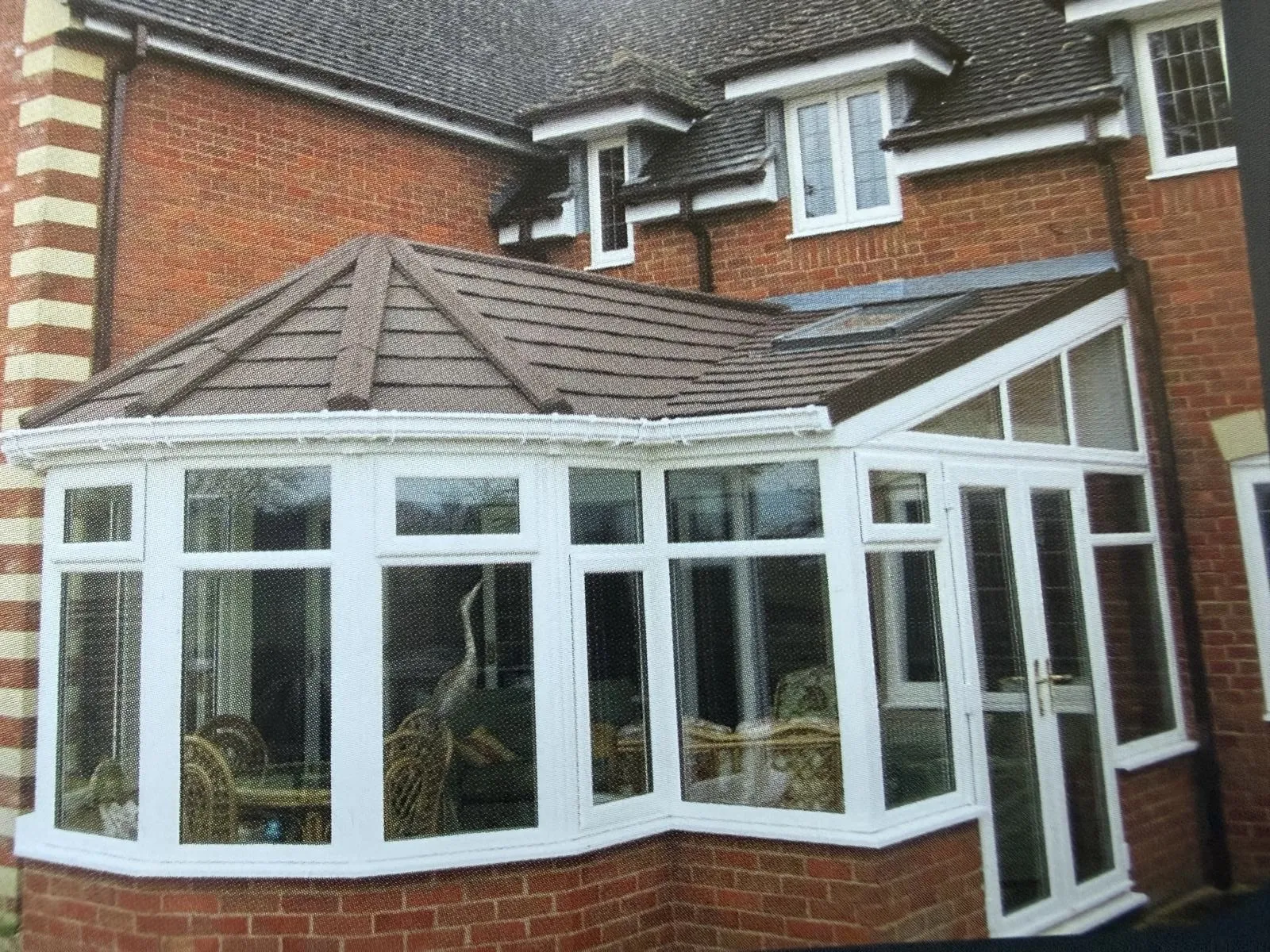
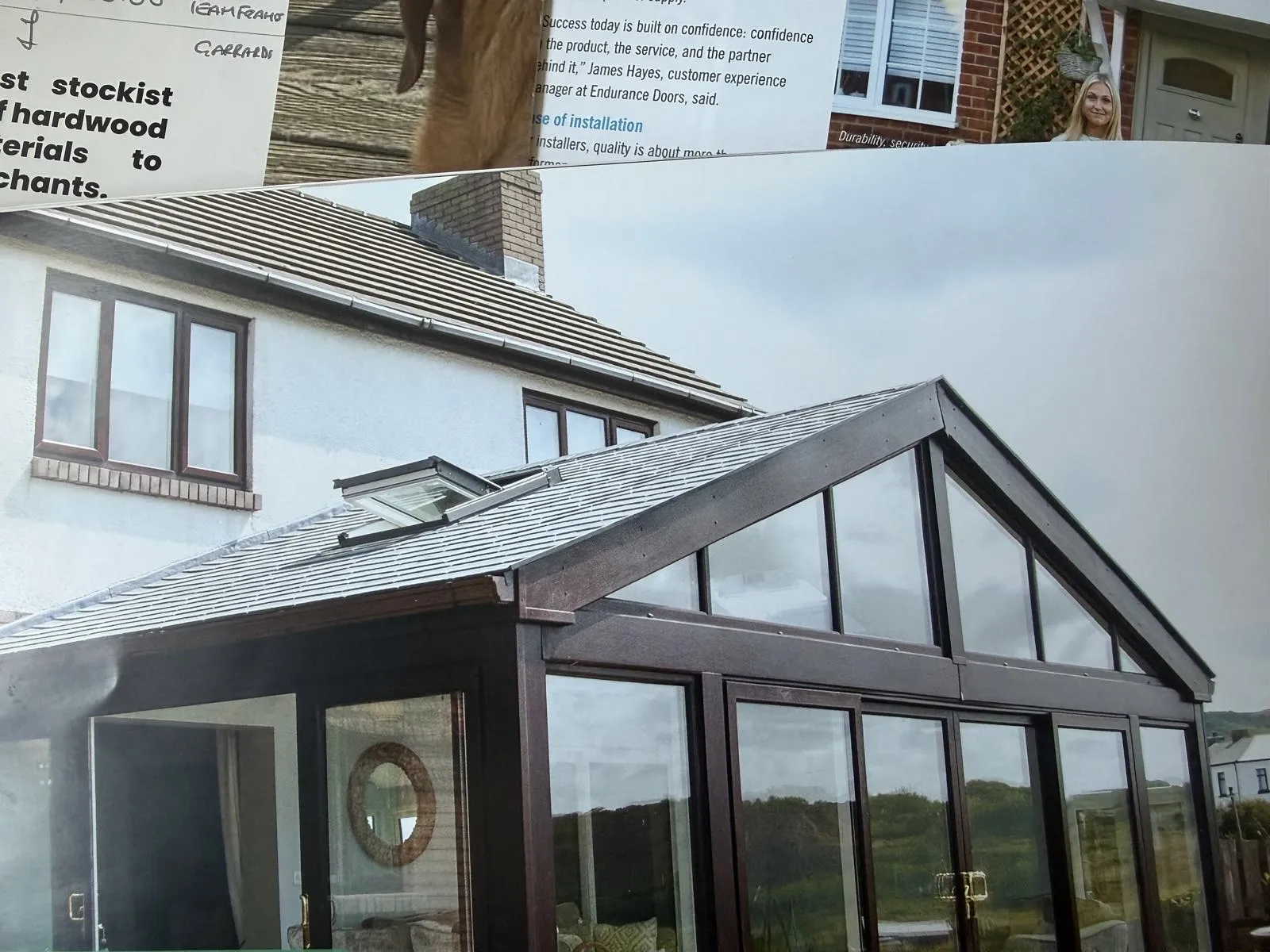
Replacing a polycarbonate or glass conservatory roof with a lightweight tiled roof that includes proper insulation raises the internal surface temperature of the ceiling significantly. Because the ceiling stays warmer, the moist air inside the room is far less likely to cool below its dew point when it contacts the ceiling. That directly addresses one of the two main causes of condensation.
In practice, most of our customers in Kent and Medway see a dramatic reduction in ceiling condensation after a roof replacement. The room also holds heat more evenly overnight, which reduces the sharp temperature drops that trigger the problem.
- Warmer ceiling surface — insulation keeps the inner surface above the dew point of the air
- Steadier temperature — the room no longer swings from warm to freezing, reducing the conditions that cause condensation
- Integrated ventilation — a properly installed tiled roof includes ventilation to meet building regulations, improving airflow
What a new roof will not fix
We want to be completely honest about this. A new roof deals with the cold-surface side of the condensation equation. It does not deal with the moisture side. If there is too much water vapour in the air, condensation will still appear — it will simply move to the next coldest surface, which is usually the windows.
If you are drying clothes in the conservatory, have no ventilation, or have damp coming in through the walls or floor, a new roof alone will not solve the problem. You will still need to address the source of the moisture.
We would rather tell you this upfront than have you spend money on a new roof and feel disappointed. During our survey we always look at the full picture and will tell you honestly whether a roof replacement is the right answer for your situation.
Other solutions that help
Whether you replace the roof or not, these steps will reduce condensation in almost any conservatory:
- Improve ventilation — fit trickle vents to window frames and open windows regularly, even in winter, to let moist air escape
- Stop drying clothes in the conservatory — use a vented tumble dryer or dry clothes outside where possible
- Use a dehumidifier — a decent dehumidifier will pull litres of water out of the air each day and make a noticeable difference quickly
- Heat the room consistently — keeping the conservatory at a steady, moderate temperature rather than letting it go cold overnight helps prevent the air from reaching its dew point
- Check extractor fans — make sure your kitchen and bathroom extractors are working properly so steam does not drift into the conservatory
- Replace failed sealed units — if you have misting between the panes, the seals have gone and the units need replacing
When condensation indicates a bigger problem
Occasional condensation on cold mornings is normal. Persistent, heavy condensation — or damp patches that never dry out — can point to something more serious:
- Rising damp — if the damp-proof course is bridged or absent, moisture wicks up through the floor slab and into the air
- Penetrating damp — cracks in the brickwork or failed flashing can let rainwater into the structure
- Failed sealed units — condensation between the panes of double glazing means the seal has broken and the units need replacing
- Structural damp — if the conservatory base was not built with a proper damp-proof membrane, ground moisture may be a constant problem
If we spot signs of damp or structural issues during a survey, we will tell you. We would rather you fix the underlying problem first than fit a new roof over the top of it.
Related reading
These pages cover related topics that may help:
Free survey and quotation
We offer a free, no-obligation survey and quotation for conservatory roof replacements across Kent and Medway. During the survey we assess the full picture — including condensation, ventilation and the condition of the existing structure — and give you honest advice on whether a new roof is the right solution.
YOUR FREE, NO-OBLIGATION QUOTE
Ready to use your conservatory all year round?
Complete the form to send your enquiry securely to S.R.S Windows Ltd.